One day in the not so distant past, one of our customers wandered in with a huge tupperware container full of warped, splintered, and shattered plywood. This pile, it turns out, was the guts of a rather historic airplane, vintage 1936. Its story is amazing, but it’s not mine to tell; have a look at Kiwi Staggerwing to learn more about this labour of love.
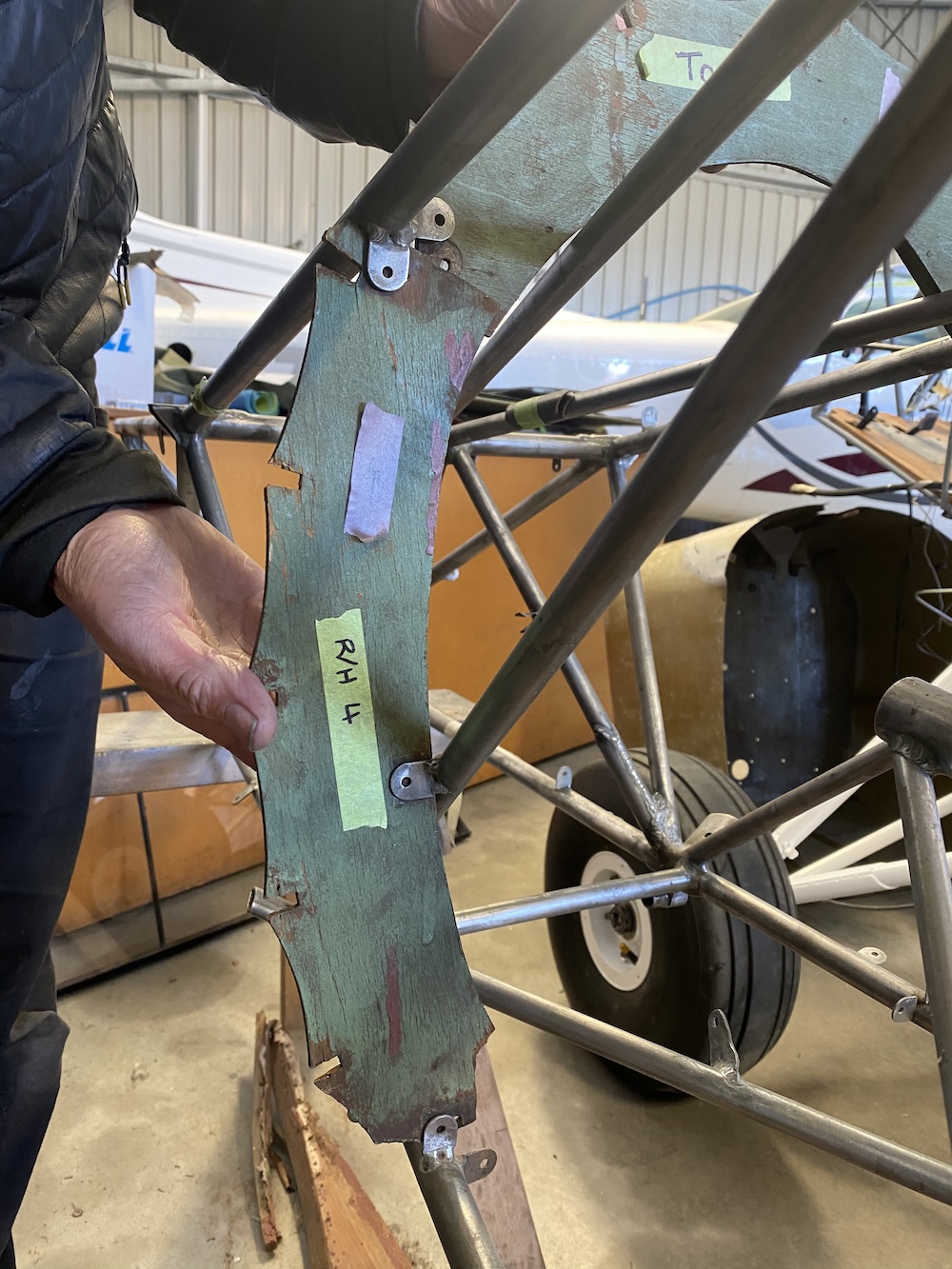
Our mission was to unlock 85-year-old secrets in this rotted aviation plywood, make everything straight and true, invent things that had been lost to Father Time, and to ultimately cut new ribs of extremely rare and expensive plywood to help the airplane along its path to flying again.
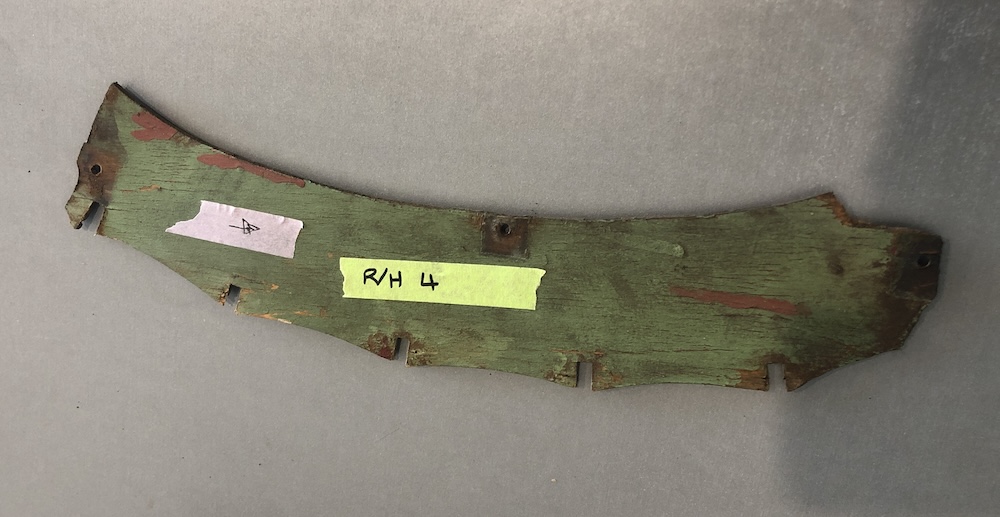
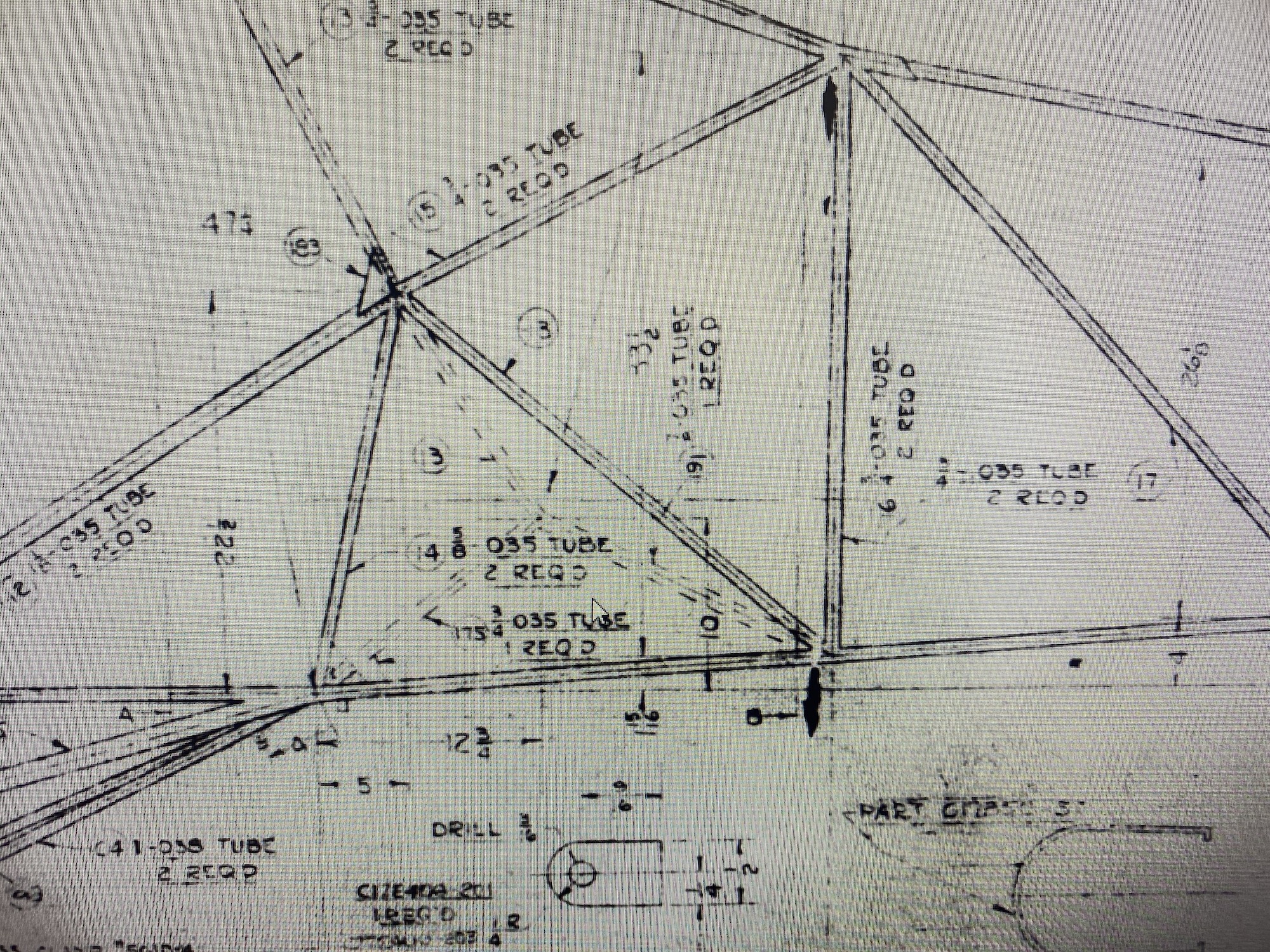
Our pile of parts looked a lot like this one. For every one of them, we digitised what was left of it and started filling in gaps where we could. Unfortunately, a lot of information was missing, and we ran the risk of making new parts that didn’t maintain the beautiful flowing lines of the original aircraft. We had another asset up our sleeve: a reproduction of the original Beechcraft airframe fabrication drawing. From this, we were able to build the airframe in 3D CAD, first as a wireframe, and then with correct tube sizes built around the wireframe.

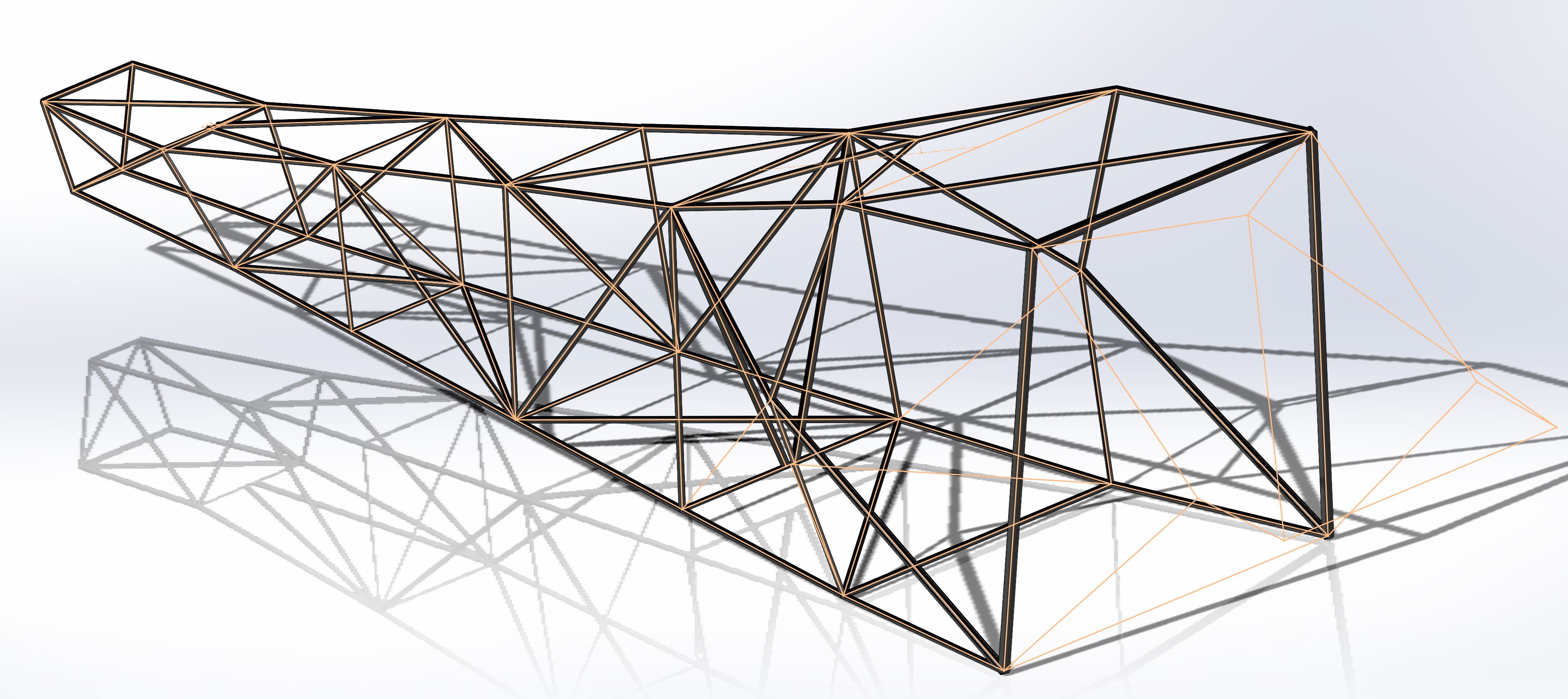
Then, we had the ability to place our digitised ribs over the digital airframe, and here’s where secrets began to be unlocked. As the ribs got placed around the airframe, we gained the ability to fill in missing information, to true up sections that were heavily warped, and to discover, 85 years later, the underlying math that gives the Staggerwing its distinctive shape.
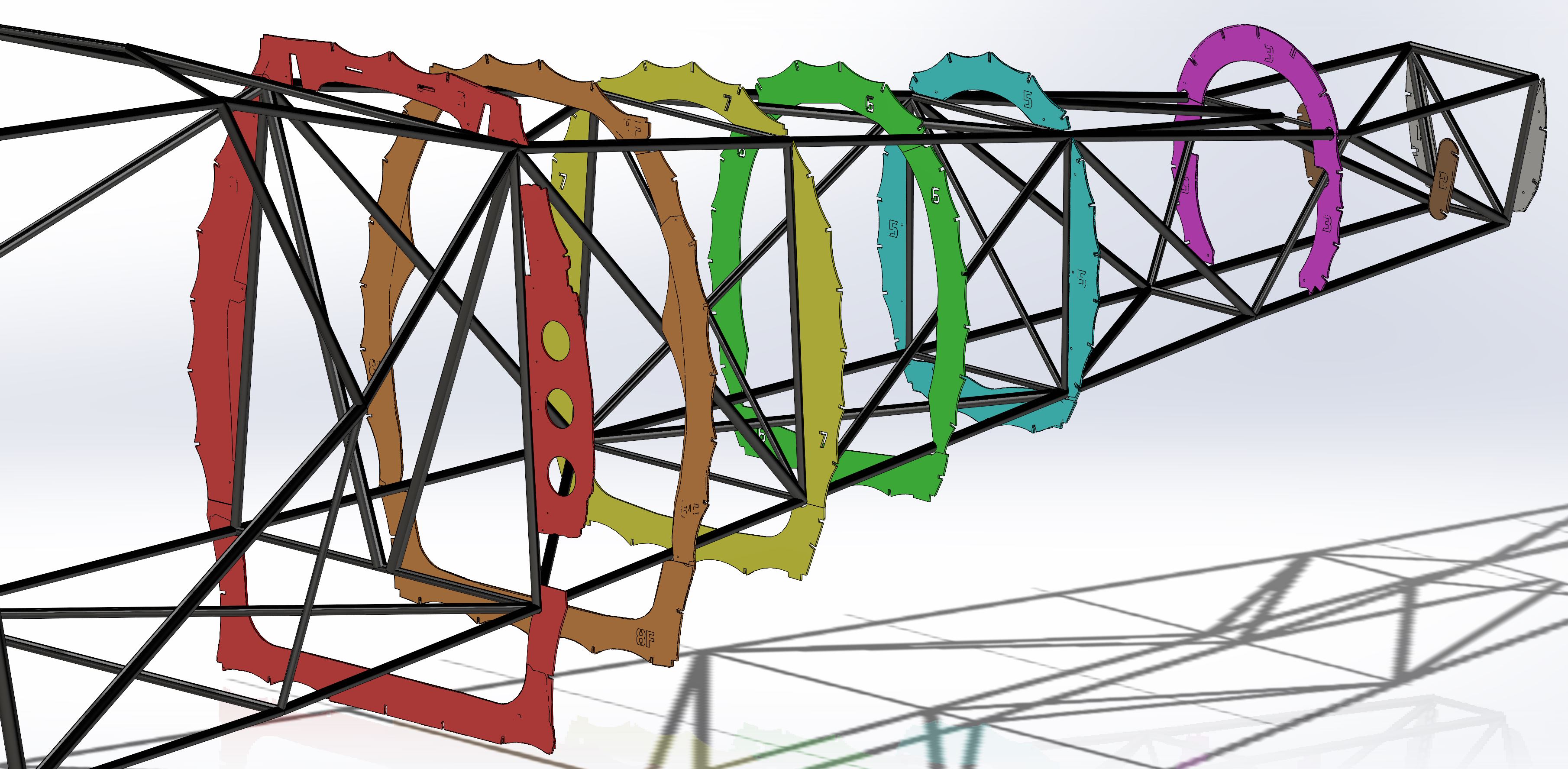
This was a months-long project, blending many types of reverse engineering, visits to the physical airframe, robust 3D CAD modeling techniques, and finally, at the end of it all, a scant but exciting half-hour of waterjet cutting.
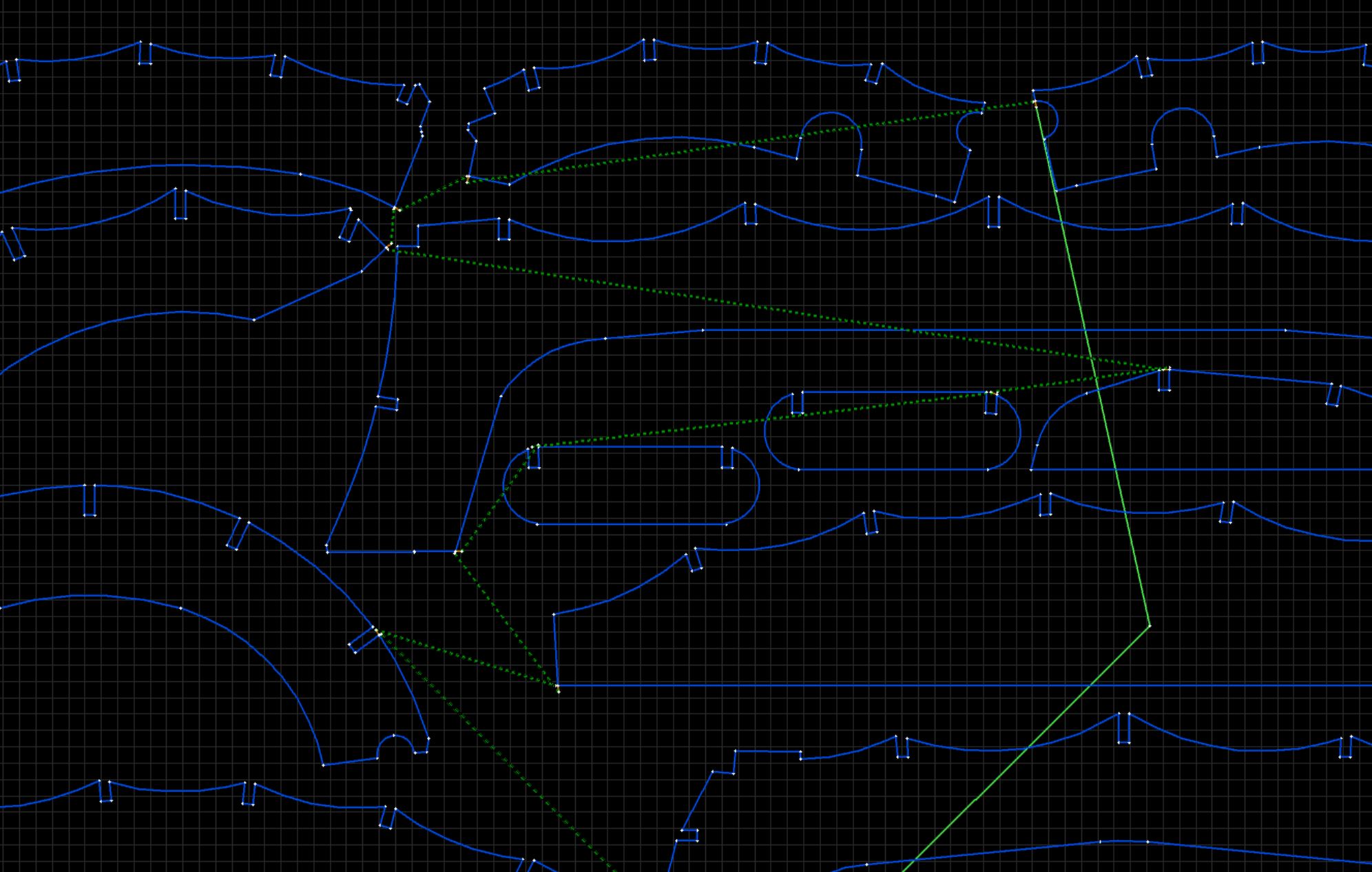
Apart from being a classic story of Kiwi perseverance to restore this airplane, it’s a story that allows us to demonstrate the way we can approach complex challenges and flex our capabilities. We’ve yet to put a project in the Too Hard Basket…
